
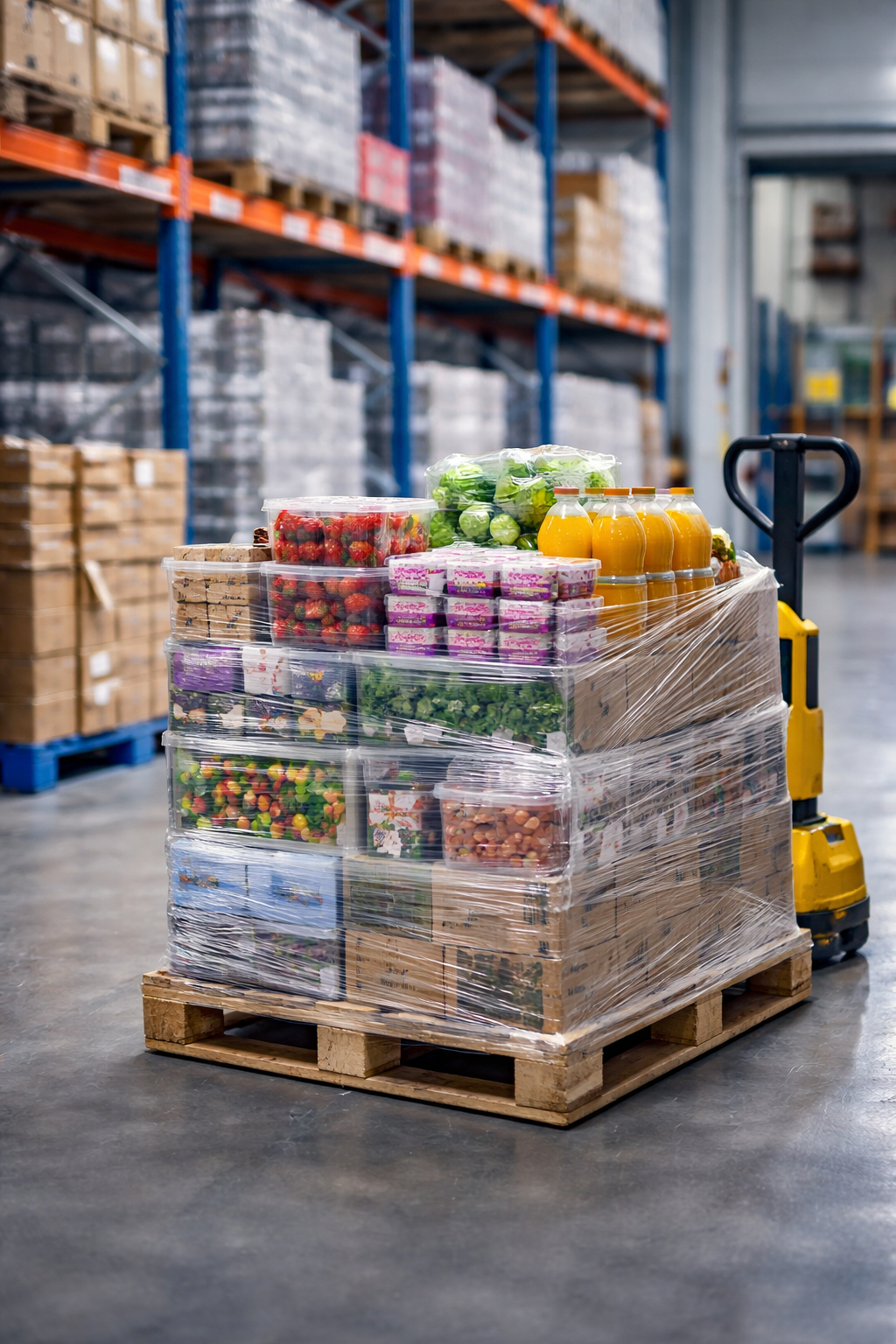
There is a subset of products within the consumer-packaged goods world that need to be moved ASAP. These are products that require refrigeration and have a very short shelf life. In the world of refrigerated fast-moving consumer goods (FMCG), time is everything. Products with a shelf life of 30 days or less—such as fresh dairy, dips, prepared meals, fresh juices, and specialty desserts—create one of the most demanding logistics environments in the food industry. Every hour from production to retail shelf matters so that products stay fresh before the quick expiration date.
Unlike shelf-stable goods that can sit in warehouses for months, short-life refrigerated products operate on a compressed timeline. A product manufactured today may need to reach store shelves tomorrow or within a few days to allow enough time for retailers to sell it before expiration. This reality makes cold-chain precision and speed critical to profitability.
The Shelf-Life Countdown Starts Immediately
For most refrigerated FMCG products, the shelf-life clock starts the moment the product is packaged. If a yogurt or packaged meat has a 30-day shelf life, a manufacturer may need it delivered to retailers within a few days after it has been packaged to give stores enough selling time. Any delays in transportation, warehousing, or distribution can quickly eat into that window.
Even small disruptions—traffic delays, missed appointments, or temperature excursions—can translate into lost product, rejected shipments, or reduced sell-by dates.
Temperature Control Is Non-Negotiable
Refrigerated FMCG typically requires strict temperature ranges, depending on the product. Even short temperature fluctuations can compromise product quality, safety, or shelf life.
Maintaining consistent temperature from the production facility to distribution centers and retail locations requires:
- Reliable refrigerated equipment
- Continuous temperature monitoring
- Experienced drivers and handlers
- Facilities equipped for cold storage and cross-docking
A well-managed cold chain protects both the product and the brand behind it.
Speed and Visibility Matter
Because these products move quickly through the supply chain, shippers rely on transportation partners that can deliver speed, consistency, and communication.
Key logistics priorities include:
- Frequent LTL shipments to keep inventory fresh
- Strategic warehouse locations near major markets
- Real-time updates to avoid surprises
- Flexible capacity to handle production spikes
Visibility into shipment status allows manufacturers and distributors to make fast decisions if issues arise.
Planning for Retail Success
Retailers depend on receiving product with enough remaining shelf life to sell it. If a shipment arrives with too few days left before expiration, stores may reject it entirely.
That’s why logistics planning for short-life FMCG often includes:
- Tight pickup and delivery scheduling
- Temperature-verified transport
- Cross-docking to minimize dwell time
- Regional distribution strategies
The Bottom Line
Refrigerated FMCG with a 30-day shelf life leaves little room for error. Success depends on a highly coordinated cold chain that prioritizes speed, reliability, and strict temperature control.
When the logistics are done right, products arrive fresh, retailers stay stocked, and consumers get the quality they expect. In this segment of the supply chain, the difference between success and spoilage often comes down to one thing: time well managed.
If you have a CPG product with a short shelf life, Fruition Logistics can help. Our cold storage warehouse in Chicago, located near O’Hare Airport, supports daily truck routes moving in all directions across the country. Whether you need reliable refrigerated transportation, short-term storage, or help planning your next shipment, our team is here to assist. Contact us at info@FruitionLogistics.com or 312-620-1225 to start the conversation.